Caribbean Coral Reef Guide: Identification, Species & Protection
✈️ Plan Your Marine Biology & Snorkel Trip
Ready to observe Caribbean reef ecosystems firsthand? Compare flights to Puerto Rico and secure eco-tours through approved booking partners:
Affiliate disclosure: ReefRoamer may earn a commission from bookings made through approved partner links at no additional cost to you.
The Living Architecture of Caribbean Coral Reefs
When you peer beneath the surface along Puerto Rico's coastal shelves, you are not gazing upon inert geological rocks. You are observing living colonial animals that have spent centuries accreting three-dimensional marine citadels. Reef-building corals belong to the phylum Cnidaria and form an extraordinary endosymbiotic relationship with microscopic photosynthetic algae known as zooxanthellae (dinoflagellates of the family Symbiodiniaceae) that reside within their gastrodermal tissues.
Through photosynthesis, zooxanthellae supply the host coral polyps with up to 90% of their daily energy requirements in the form of glucose, glycerol, and amino acids. In return, the coral provides a sheltered, high-light environment and essential metabolic byproducts (carbon dioxide and nitrogen). Using this solar-powered metabolic engine, coral polyps precipitate calcium carbonate (aragonite) from seawater, slowly constructing the monumental limestone framework that protects coastal communities from hurricane storm surges and supports over 25% of all Caribbean marine biodiversity.
Major Hard Coral Species in Puerto Rico (Scleractinia)
True stony corals (order Scleractinia) produce rigid calcium carbonate skeletons and serve as the structural cornerstone of Caribbean reef systems. The three most prominent species encountered in Puerto Rico include:
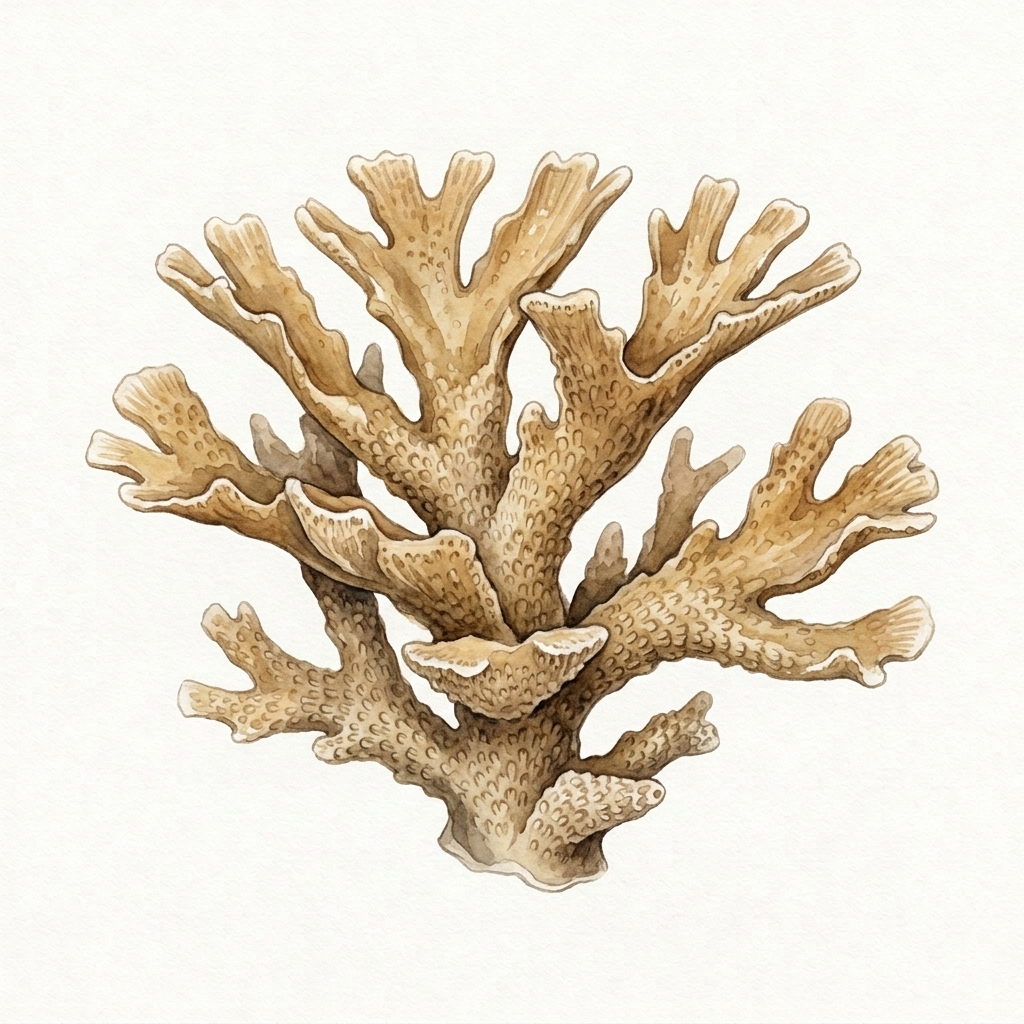
1. Elkhorn Coral (Acropora palmata)
Field Identification Marks: Large, flattened antler-like horizontal branches resembling the broad palms of a moose or elk. Color ranges from ochre-yellow to golden-brown, with distinctive pale white growing margins at branch tips.
Reef Zone & Depth: Shallow reef crest (1.0m to 5.0m). Elkhorn coral thrives in high-energy, wave-swept zones where breaking surf delivers oxygenated water and planktonic nutrients.
Ecological Role & Status: Historically the dominant framework builder of Caribbean shallow barrier reefs, dissipating up to 90% of oceanic wave energy. Federally listed as Threatened under the US Endangered Species Act (NOAA Fisheries). Premier viewing locations in Puerto Rico include Steps Beach (Tres Palmas, Rincón) and Carlos Rosario (Culebra).
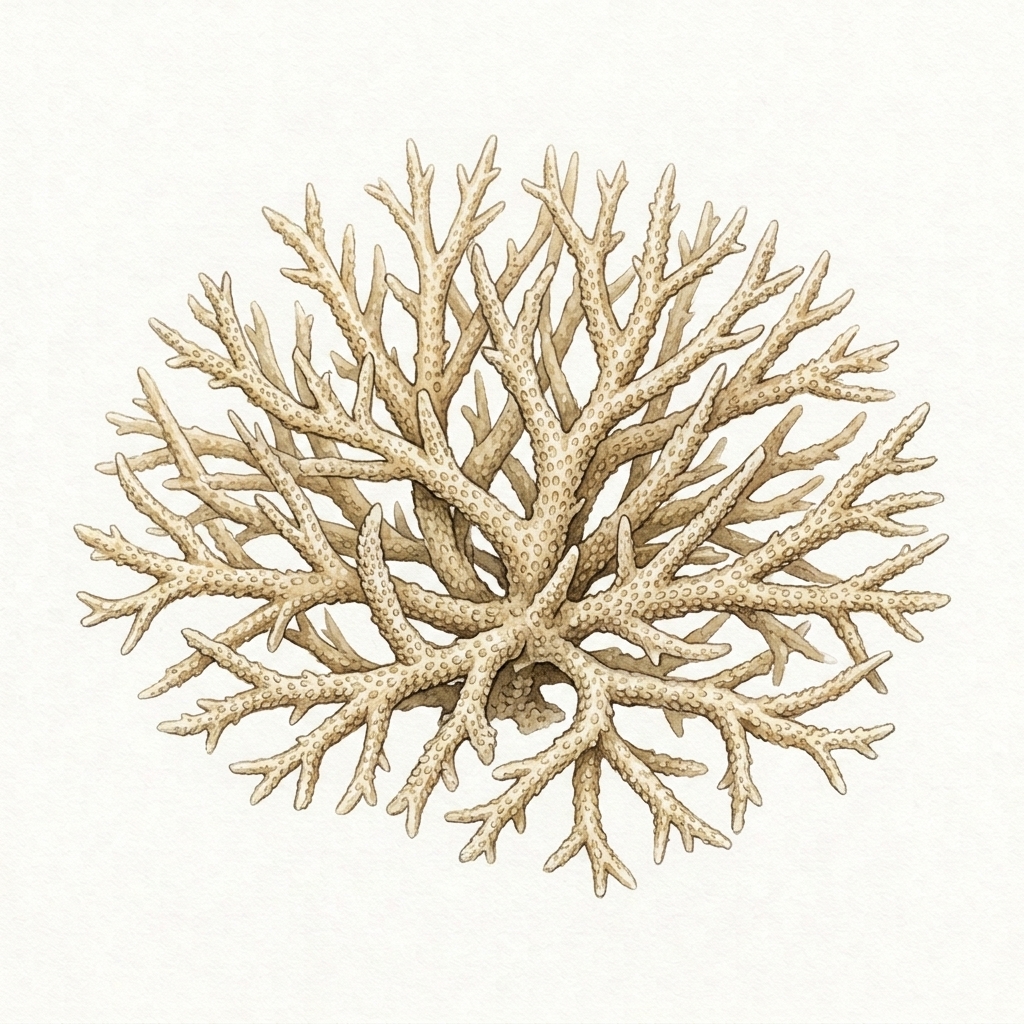
2. Staghorn Coral (Acropora cervicornis)
Field Identification Marks: Elegant, cylindrical pencil-thick branches that fork and interlock to form dense, three-dimensional thickets. Golden-tan body with sharp white tips where new calcification occurs.
Reef Zone & Depth: Fore-reef slope and protected lagoons (3.0m to 15.0m). Less wave-tolerant than elkhorn coral, preferring slightly deeper intermediate waters.
Ecological Role & Status: Provides vital nursery and sheltering habitat for juvenile damselfish, juvenile grunts, and invertebrates. Listed as Threatened under the US Endangered Species Act. Actively propagated in underwater coral restoration nurseries by organizations like the DRNA and local marine conservation coalitions around Culebra and La Parguera.
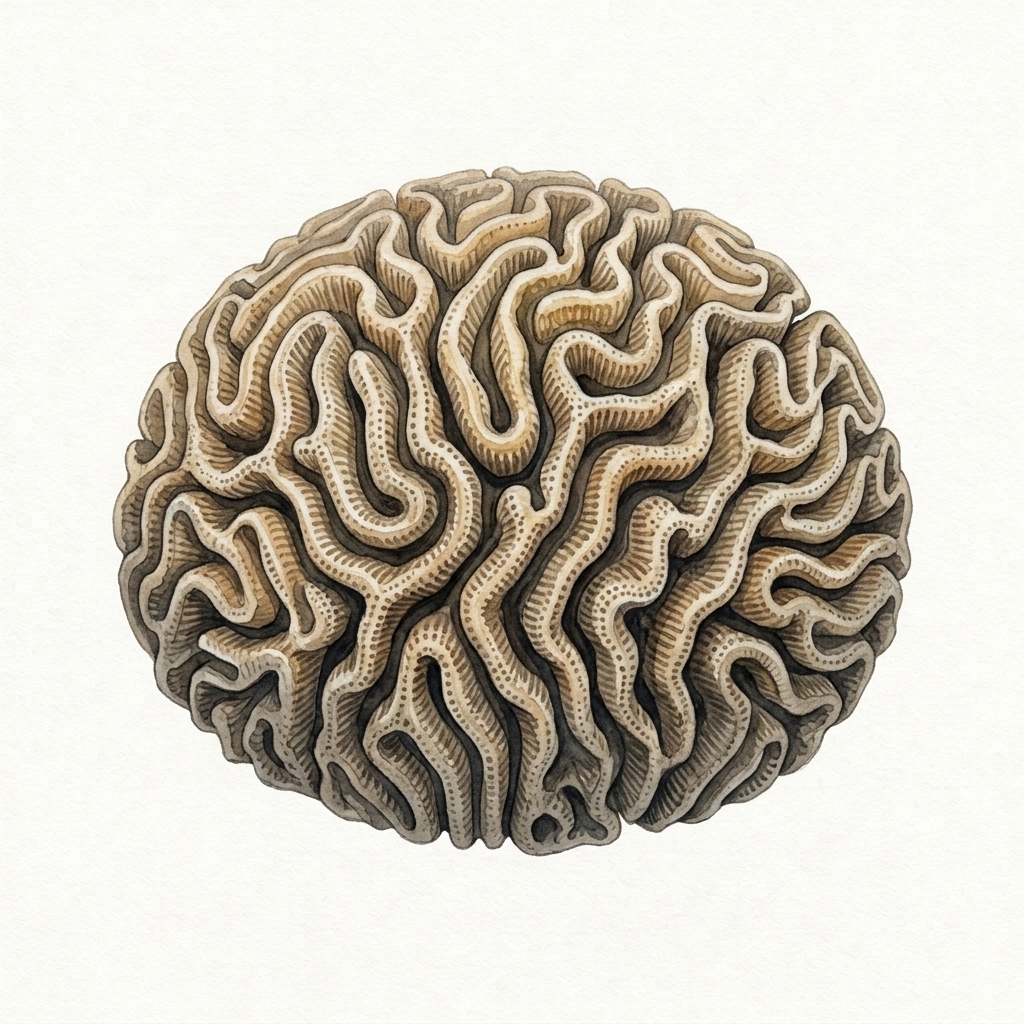
3. Symmetrical Brain Coral (Pseudodiploria strigosa)
Field Identification Marks: Massive, hemispherical boulder domes covered in continuous, sinuous meandering grooves and ridges that strikingly resemble the convolutions of a human cerebral cortex. Colors range from muted olive-green to brownish-grey.
Reef Zone & Depth: Highly versatile; found across shallow reef flats (1.5m) to deeper reef slopes (20m+).
Ecological Role: Long-lived structural anchor of the reef matrix. Brain corals grow at a deliberate pace of approximately 0.5 to 1.5 cm per year, with massive specimens often exceeding 200 years of age. Frequently observed at Escambrón Marine Park and Seven Seas Beach.
Octocorals & Soft Corals (Subclass Octocorallia)
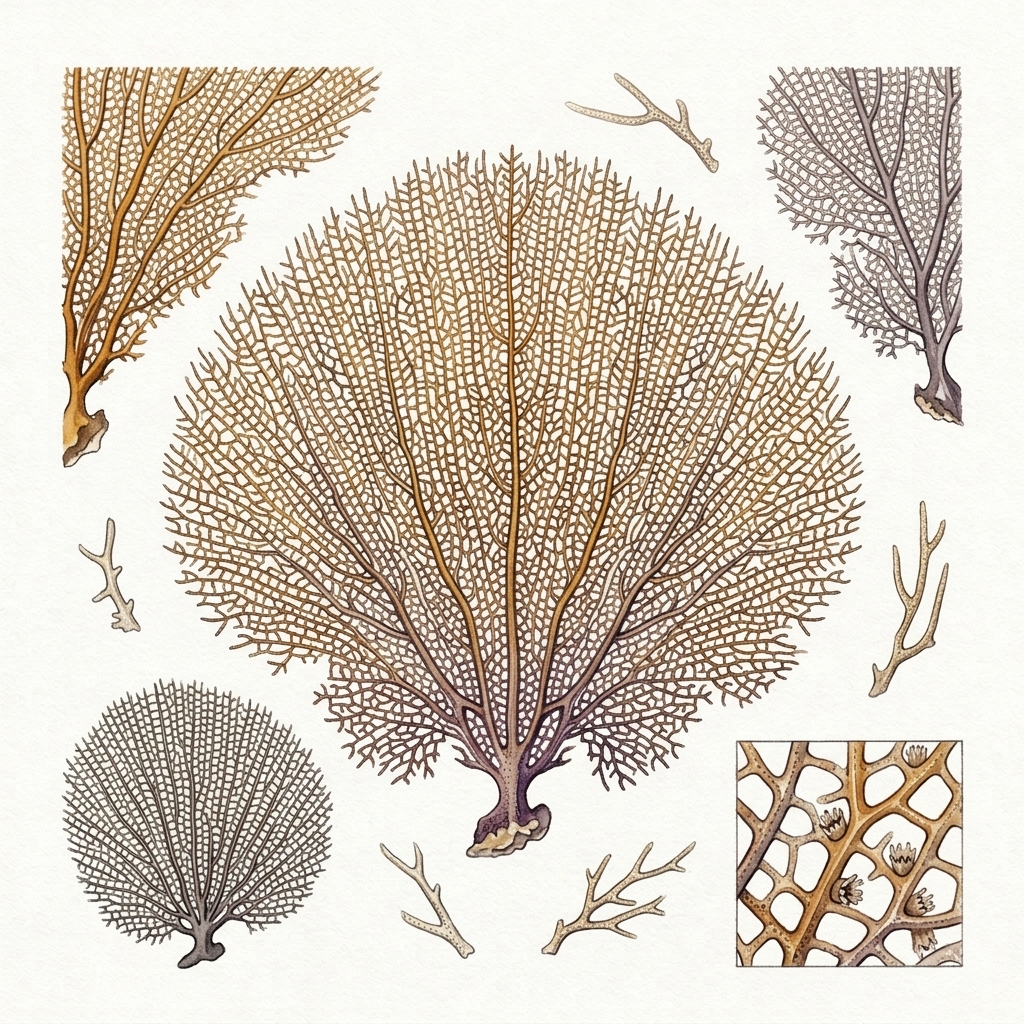
Venus Sea Fan (Gorgonia ventalina)
Field Identification Marks: Flexible, planar fan constructed of an intricate interconnected mesh of horny gorgonin protein and microscopic calcified spicules. Displays rich shades of purple, violet, mauve, or golden-yellow.
Orientation & Feeding: Unlike rigid stony corals, sea fans flex harmoniously with wave surge. Colonies always grow perpendicular to prevailing tidal currents to maximize the volume of water passing through their mesh, enabling polyps to filter microscopic zooplankton from the current.
Observation Sites: Flourishes across patch reefs and headlands in Sun Bay (Vieques), Escambrón, and Steps Beach.
⚠️ The Stinging Impostor: Branching Fire Coral (Millepora alcicornis)
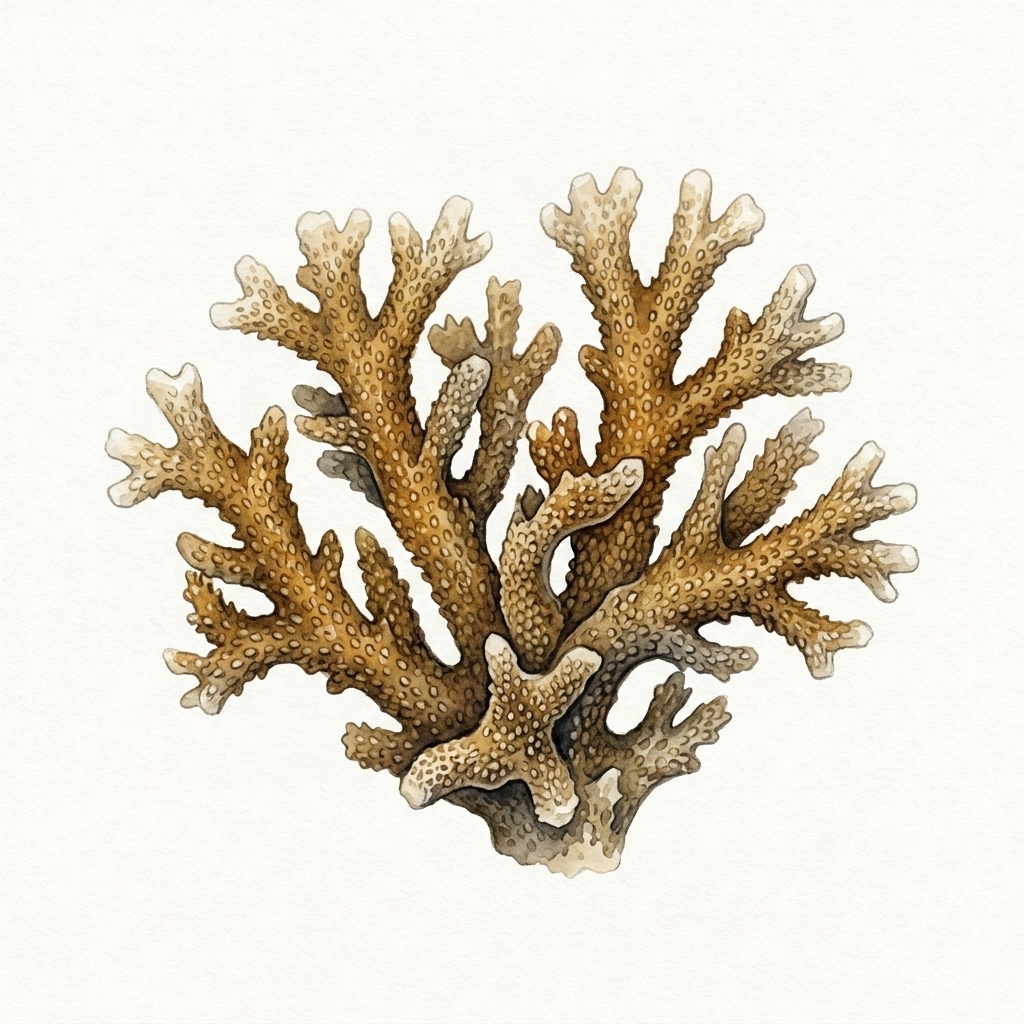
Taxonomic Identity & Field Marks
Despite its common name, fire coral is not a true coral. It belongs to the class Hydrozoa and is more closely related to hydroids and jellyfish than to stony corals. In Puerto Rico, branching fire coral (Millepora alcicornis) appears as mustard-yellow to warm ochre colonies with flat, finger-like branches or encrusting sheets over dead gorgonians and rock. Its most defining visual marker is its sharp, stark-white calcified branch tips.
The Stinging Mechanism & First Aid
Unlike stony corals whose polyps are harmless to human touch, fire coral surfaces are studded with microscopic pores containing elongated, hair-like defensive tentacles (dactylozooids) loaded with venomous nematocysts. Minimal skin contact causes instantaneous physical penetration and venom injection, producing intense stinging pain, severe redness, and raised urticarial welts that can persist for weeks.
First Aid Protocol: If you brush against fire coral, exit the water immediately. Never rinse the affected area with fresh water, as the change in osmotic pressure triggers unexploded nematocysts to discharge. Instead, rinse with ocean saltwater and apply household white vinegar (5% acetic acid) or isopropyl alcohol to neutralize lingering toxins. Gently scrape off remaining debris with the edge of a credit card, apply hydrocortisone cream for inflammation, and consult a medical professional if severe allergic reactions or secondary infections arise (consult NOAA Fisheries and maritime safety standards).
Reef Zonation: How to Read Caribbean Underwater Topography
Understanding reef zonation allows snorkelers to anticipate marine life and navigating conditions as they move offshore:
- 1. Sandy Shore & Seagrass Lagoon (0.5m – 3.0m): The calm zone between the beach and the reef crest, dominated by turtle grass (Thalassia). Prime habitat for foraging green sea turtles (Chelonia mydas), queen conch, and southern stingrays (Hypanus americanus).
- 2. Reef Crest & Breaker Zone (1.0m – 4.0m): The highest energy zone where oceanic waves break. Dominated by dense stands of elkhorn coral and encrusting fire coral that absorb physical swell energy.
- 3. Fore-Reef Slope & Spur-and-Groove System (4.0m – 15.0m): Seaward of the breaker zone, massive brain corals, star corals, and sea fans construct parallel underwater ridges (spurs) separated by sand channels (grooves). Schooling reef fish, including queen parrotfish (Scarus vetula) and black grouper (Mycteroperca bonaci), patrol this zone.
- 4. Deep Drop-Off & Reef Wall (15.0m+): The outer reef shelf plunges into deep coastal waters where pelagic predators, including great barracuda (Sphyraena barracuda) and spotted eagle rays (Aetobatus narinari), cruise the blue perimeter.
Threats to Coral Ecosystems & Sourced Baselines
Caribbean coral reefs face unprecedented environmental challenges that require rigorous scientific monitoring:
- Thermal Stress & Coral Bleaching: When ocean water temperatures exceed local summer maximum baselines by as little as 1°C (1.8°F) for extended periods, the physiological symbiosis breaks down. Corals become stressed, expel their zooxanthellae, and turn stark white. While bleached corals remain alive initially, they begin starving unless water temperatures normalize. Official real-time bleaching thermal stress alerts are monitored by the NOAA Coral Reef Watch satellite system.
- Stony Coral Tissue Loss Disease (SCTLD): A lethal bacterial/pathogenic disease outbreak affecting over 20 species of Caribbean stony corals, notably brain and boulder corals. The Department of Natural and Environmental Resources (DRNA) actively tracks SCTLD progression in Puerto Rico.
- Sedimentation & Coastal Runoff: Heavy rainfall events wash terrestrial sediment plumes over nearshore reefs, reducing sunlight penetration and smothering coral polyps. Snorkelers should monitor coastal clarity baselines before entering the water after severe rain events.
📜 The Snorkeler's Code of Coral Etiquette
Preserve Puerto Rico's living reefs for future generations by strictly adhering to responsible ocean stewardship standards:
- Zero Physical Contact: Never stand on, walk across, kick, or grasp living coral formations. What appears to be an immovable rock is a colony of microscopic living animals. A single misplaced fin kick can fracture a century of coral growth.
- Horizontal Trim & Gentle Kicking: Maintain a streamlined horizontal posture in the water column. In shallow waters under 2 meters, use gentle frog kicks or sculling fin strokes to avoid kicking up seafloor sediment that settles onto coral polyps.
- Strict Compliance with Sunscreen Laws: Comply with Puerto Rico Act 105-2019 by wearing certified mineral non-nano zinc oxide sunscreen. Better yet, wear a full-coverage UPF 50+ long-sleeve rashguard to eliminate the need for body sunscreens altogether.
- Report Coral Damage: If you observe illegal anchoring on live coral, spearfishing within marine reserves, or extensive bleaching events, document the coordinates and report the sighting to the DRNA Coastal Rangers or local marine reserve managers.
Explore More Puerto Rico Marine Guides
Expand your understanding of Puerto Rico's coastal treasures with our dedicated travel and field guides: